











For landscape photographer Jiro Tateno, who was impressed by the performance of the RF24mm f/1.4L VCM, the release of the even-wider RF20mm f/1.4L VCM was a dream come true. He shares what he loves about it, along with some stunning photos. (Reported by Jiro Tateno, Digital Camera Magazine)
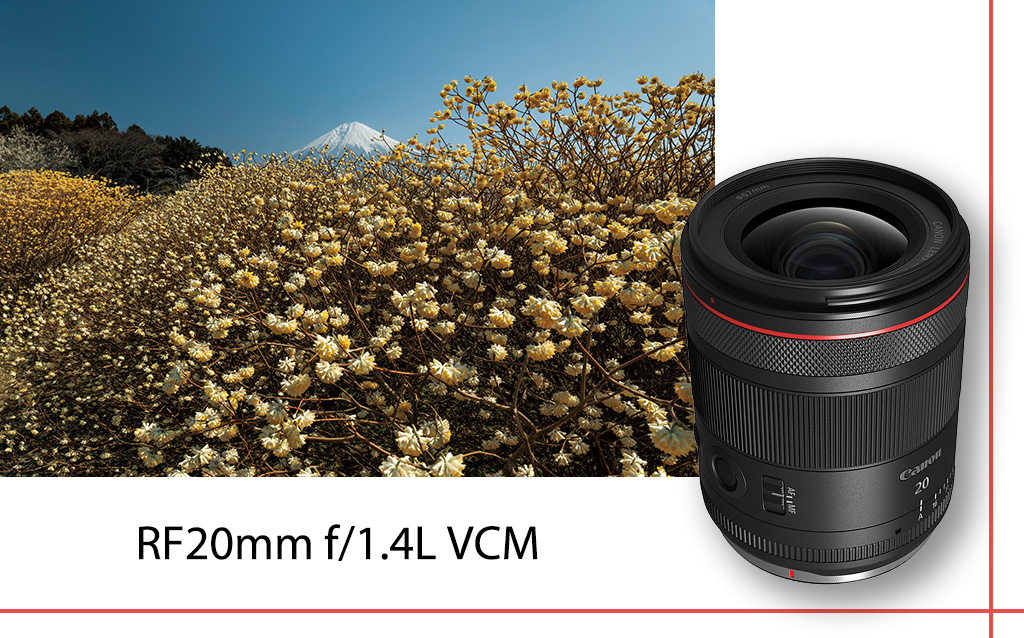
A lens full of delights
After my amazing experience with the RF24mm f/1.4L VCM, I eagerly anticipated the next wide-angle lens in the VCM series. Canon made my dreams come true with the RF20mm f/1.4L VCM, announced in March 2025.
Surprisingly small for a 20mm f/1.4 lens
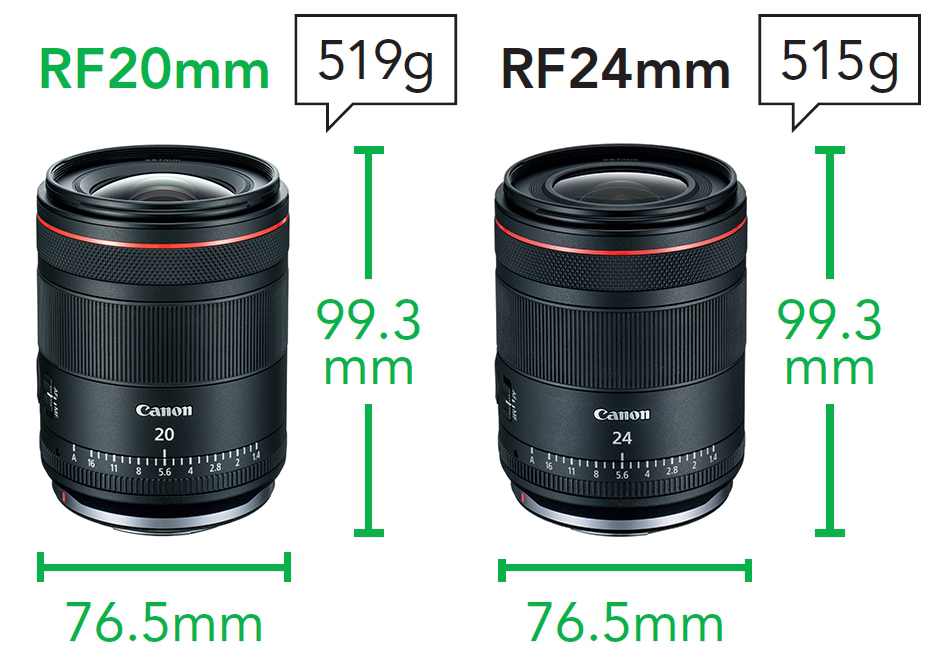
The first thing that surprised me was the size. It is the norm for 20mm ultra-wide-angle lenses to be large and heavy, but at a relatively lightweight 519g, the RF20mm f/1.4L VCM is just 4g heavier than the RF24mm f/1.4L VCM. It’s always nice to have less weight to carry around, especially when you’re hiking around.
It is also the same size as the other f/1.4L VCM hybrid prime lenses like the RF24mm f/1.4L VCM, RF35mm f/1.4L VCM, and RF50mm f/1.4L VCM. Adding the ultra-wide RF20mm f/1.4L VCM to the lineup increases creative possibilities, and the consistent sizes mean less balance adjustments if you’re swapping between them while shooting on a gimbal, contributing to smoother video shoots.
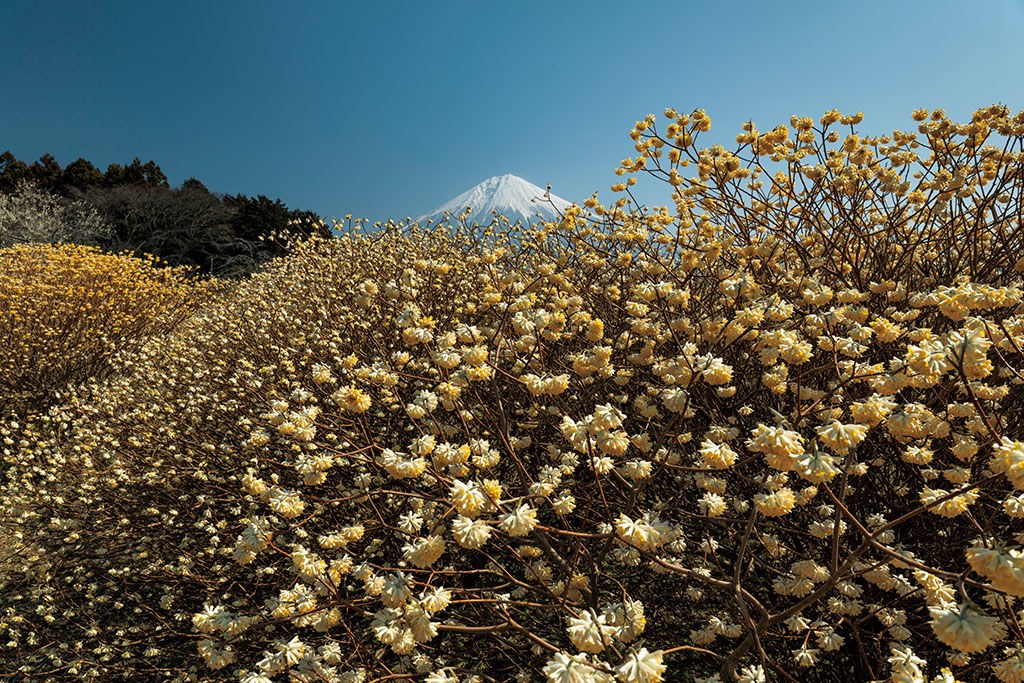
EOS R5 Mark II/ RF20mm f/1.4L VCM/ FL: 20mm/ Manual exposure (f/11, 1/100 sec, ISO 100)/ WB: 5500K
Mitsumata flowers were blooming when I visited the Mount Fuji area one warm day in March, each pale gold head a sign of approaching spring. I wanted to fill the frame with as many of them as possible while retaining impact, so I went closer, taking advantage of the lens’ 20mm ultra-wide-angle perspective. Deep focusing with f/11 ensured that Mount Fuji remained reasonably sharp, even though it was all the way in the background.
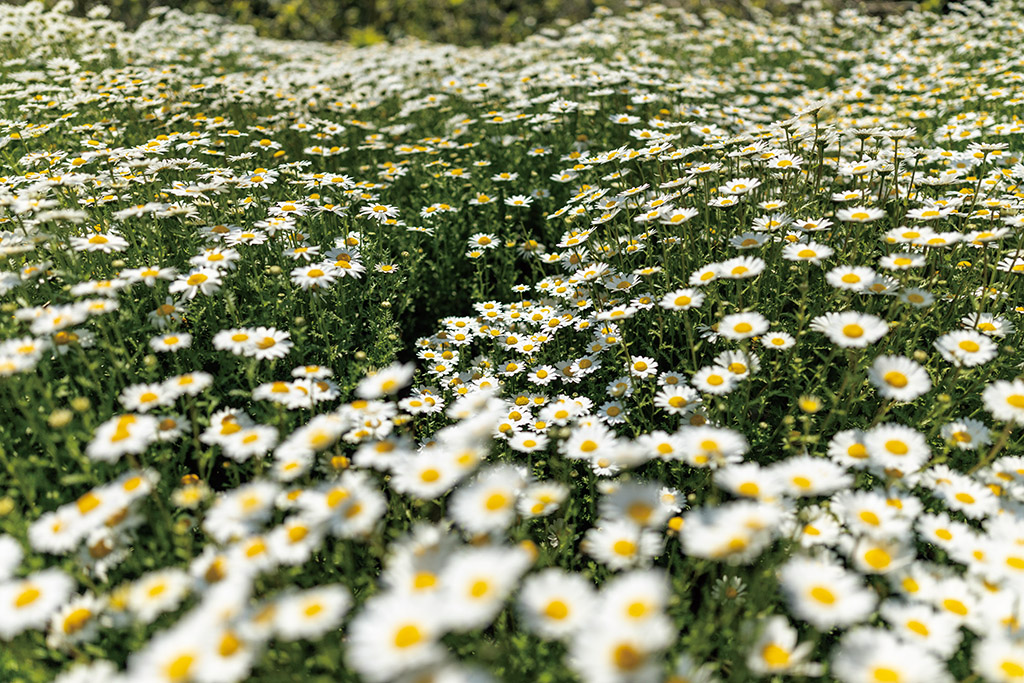
EOS R5 Mark II/ RF20mm f/1.4L VCM/ FL: 20mm/ Manual exposure (f/1.4, 1/10,000 sec, ISO 100)/ WB: 5000K
That rift in a never-ending field of daisies was exactly the disruption I was looking for. The RF20mm f/1.4L VCM’s f/1.4 maximum aperture helped to blur out the front and back of the image so that our eyes naturally fall on the area in focus.
Takes 67mm screw-in filters, and rear filters too
Most large aperture ultra-wide-angle lenses have a large protruding front element that makes it impossible to attach screw-in filters, so the fact that the RF20mm f/1.4L VCM takes 67mm filters like the other f/1.4 VCM prime lenses was a pleasant surprise—you can just screw one on whenever you need.
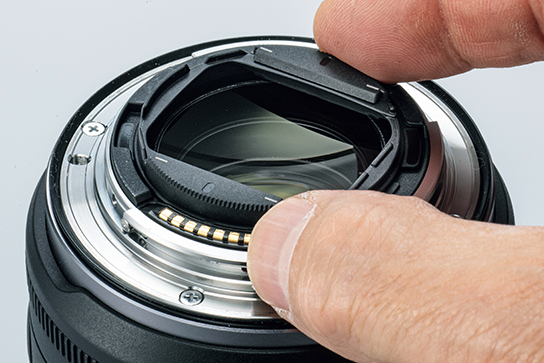
It also has a rear filter holder which allows you to install sheet type filters like soft filters for astrophotography, as well as ND filters. This puts the filter closer to the image sensor, reducing the chances of artifacts.
Being able to use both screw-in filter and rear filters also means you can stack filter effects by using two filters simultaneously.
Outstanding image quality
In landscape photography, image quality consistency is just as important as the quality itself, and the RF20mm f/1.4L VCM aces this by delivering excellent sharpness and resolution from the centre to the edges of each image.
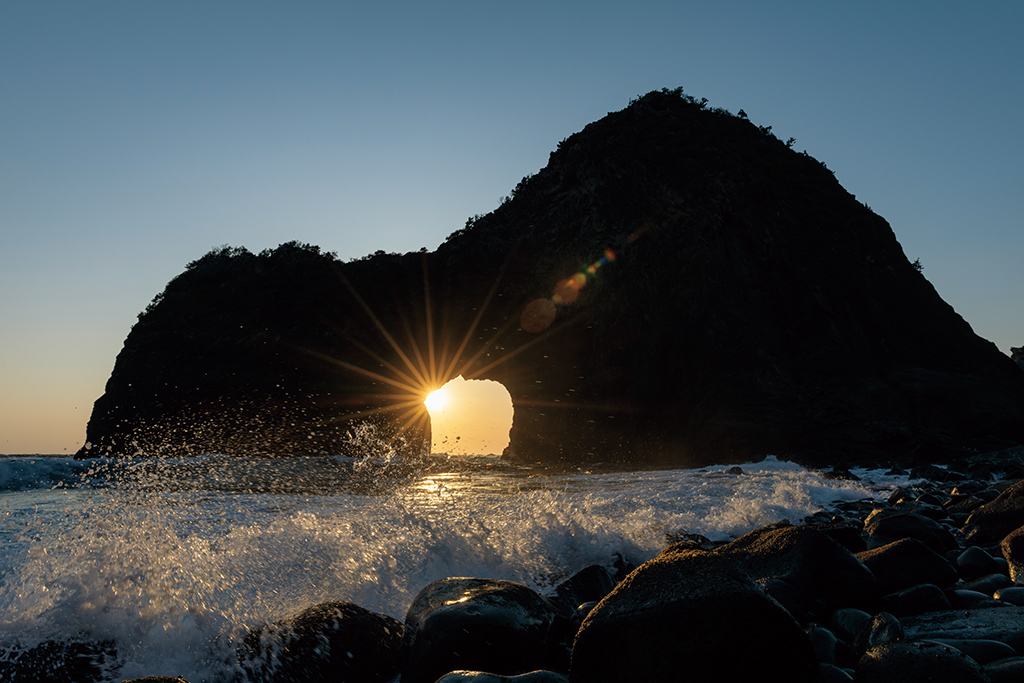
EOS R5 Mark II/ RF20mm f/1.4L VCM/ FL: 20mm/ Manual exposure (f/14, 1/200 sec, ISO 100)/ WB: 5000K
An impactful moment shot handheld from a low angle. I set the aperture at f/14 to keep the area from the spray of the crashing waves to the rock mountain in-focus and sharp. Though backlit by the evening sun, that zone was clear and well-resolved.
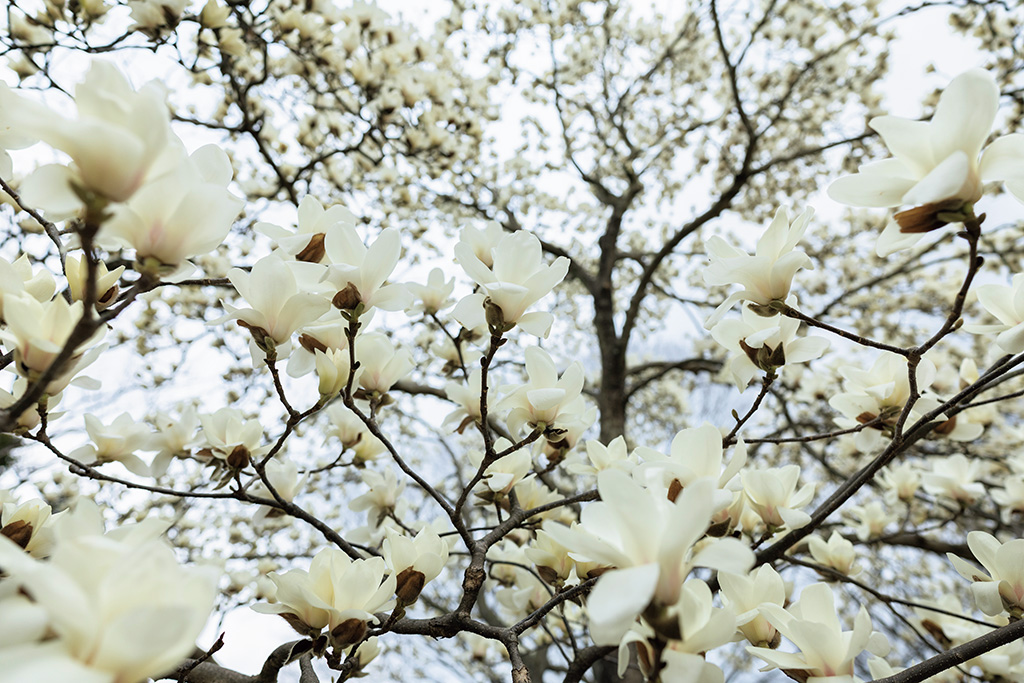
EOS R5 Mark II/ RF20mm f/1.4L VCM/ FL: 20mm/ Manual exposure (f/2.8, 1/2000 sec, ISO 200)/ WB: Auto
I moved close to this white magnolia tree in full bloom and placed the focus point on the flower in the middle. The aperture was stopped down slightly to f/2.8—enough to keep the flower fully in focus, and yet create beautiful background bokeh.
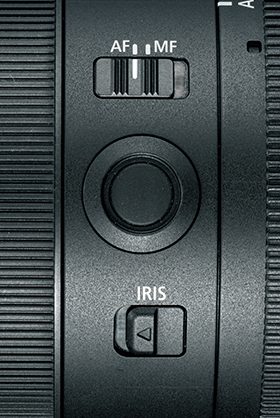
Flat buttons and switches that contribute to weather sealing
The RF20mm f/1.4L VCM’s dust- and moisture-resistant structure makes it a reliable choice for outdoor photography. The buttons and switches are designed to be flush with the lens body, which aids weather-sealing but also results in a streamlined, sleek-looking exterior.
Great for star photography
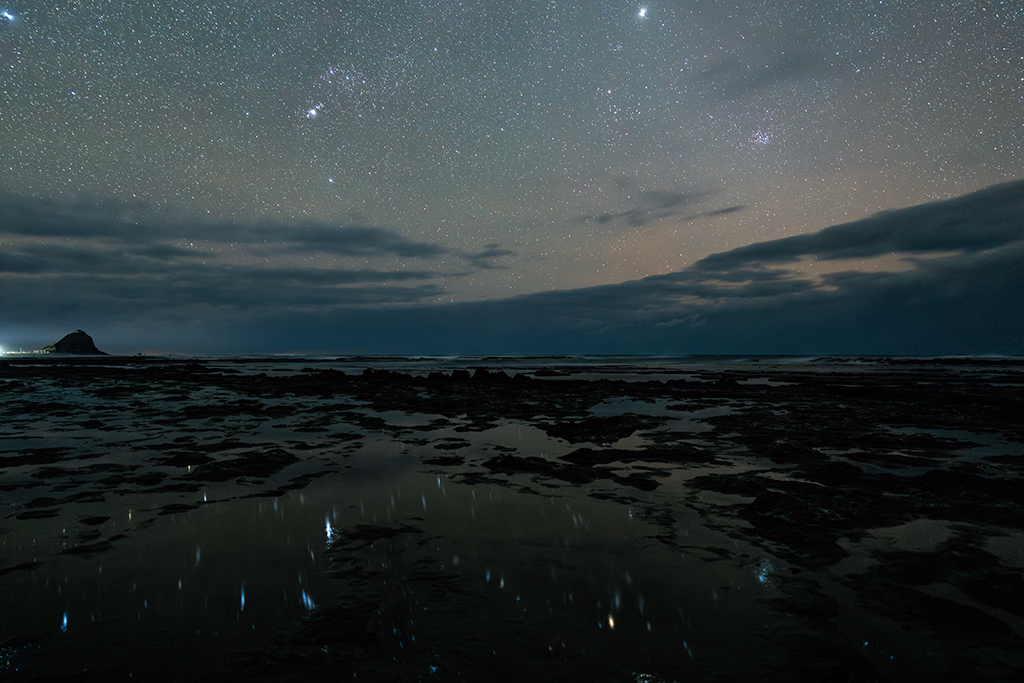
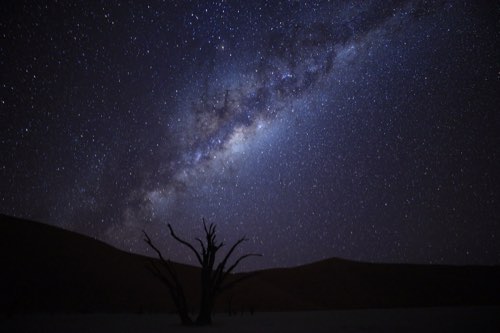
EOS R5 Mark II/ RF20mm f/1.4L VCM/ FL: 20mm/ Manual exposure (f/1.4, 20 sec, ISO 2500)/ WB: 4000K
While I tried star photography in a few locations, shooting conditions weren’t ideal. However, the f/1.4 maximum aperture was certainly a huge advantage: you can capture more stars—even the darker ones that might not be as visible otherwise—and shoot with a shorter exposure time, which helps avoid star trailing.
In summary: Brings a huge advantage to the field
The RF20mm f/1.4L VCM delivers outstanding performance, and by providing f/1.4 possibilities even at 20mm, it will enable you to handle a greater variety of scenes. The fact that it delivers these specs in a lightweight, compact body sweetens the deal—lighter gear and better mobility are always welcome, especially when you’re constantly on your feet and out in the field.
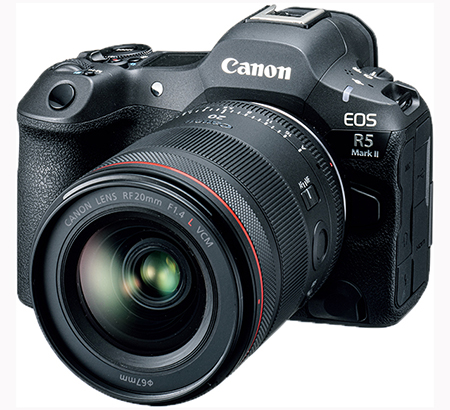
RF20mm f/1.4L VCM mounted on the EOS R5 Mark II
RF20mm f/1.4L VCM: Key specifications
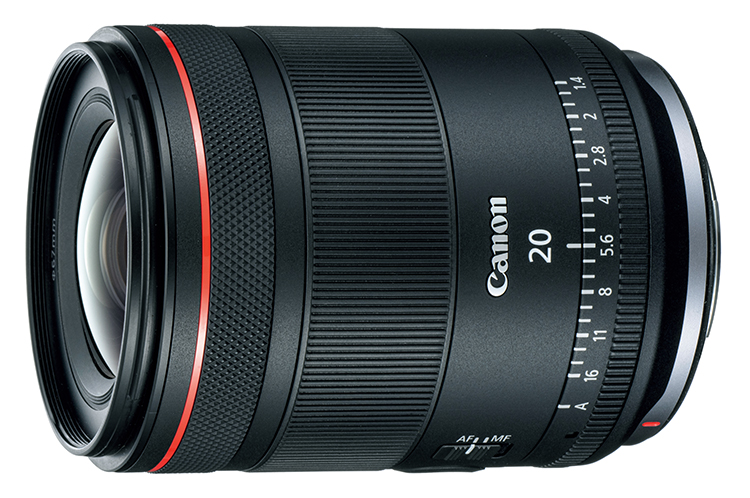

Lens construction: 15 elements in 11 groups
Closest focusing distance: 0.2m
Maximum magnification: 0.19x
No. of aperture blades: 11
Minimum aperture: f/16
Filter diameter: 67m
Size: φ76.5 x 99.3mm
Weight: approx. 519g
About the Author
A monthly magazine that believes that enjoyment of photography will increase the more one learns about camera functions. It delivers news on the latest cameras and features and regularly introduces various photography techniques.
Published by Impress Corporation
Born in Tokyo in 1975. From around 1990, he came into contact with nature through fly fishing, and took up photography. From 1999, he travelled around the country taking photos with the theme of "Natural Beauty". He currently supplies photos for magazines, books, posters, calendars, and so on. He held an "Okinawa" photo exhibition in 2010, and "Northern Lights - Journey of Light/ Iceland" photo exhibition in 2017.