














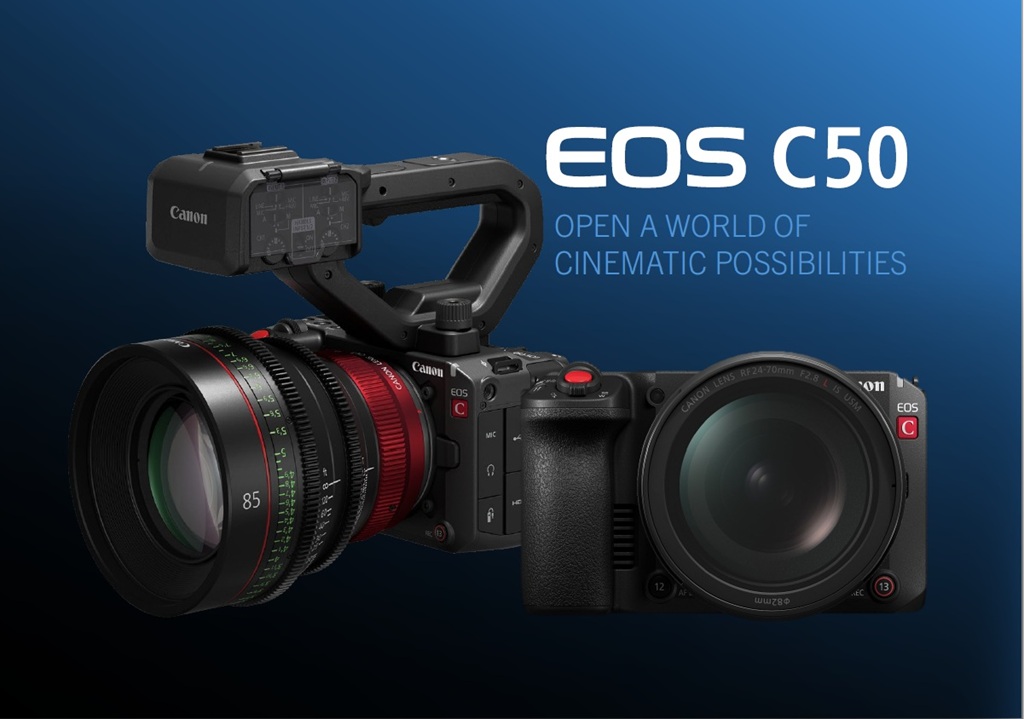
If you’re a budding filmmaker looking to get your first cinema camera, look no further. The Cinema EOS C50 packs versatility and outstanding performance into the smallest and lightest body in Cinema EOS series history. From run and gun documentaries and indie films to corporate or commercial filmmaking and a world of diverse client demands, it’s all set to rise to the occasion with you as you grow your reputation and develop your style in the film-making industry.
1. Robust, flexible footage that meets professional requirements
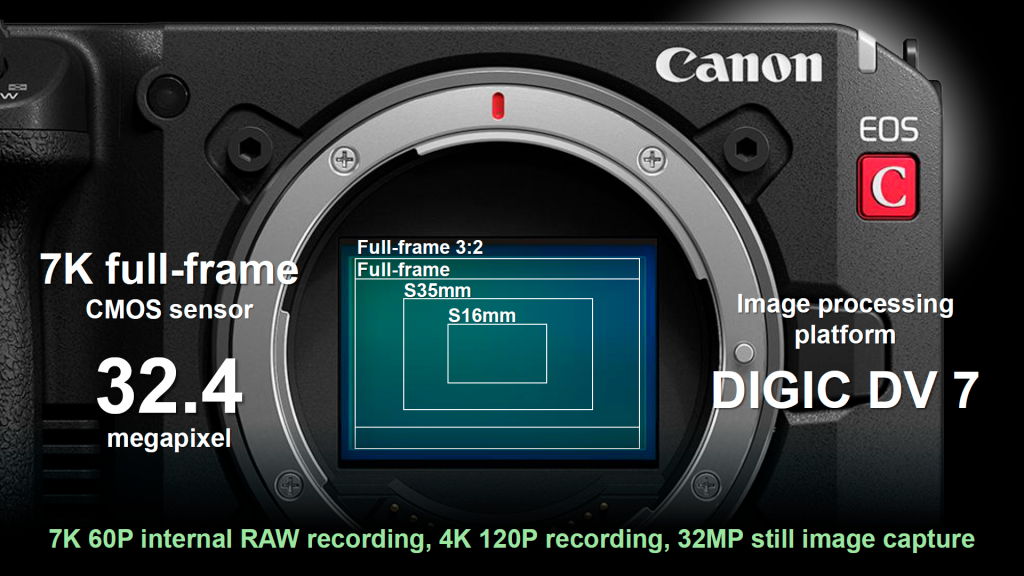
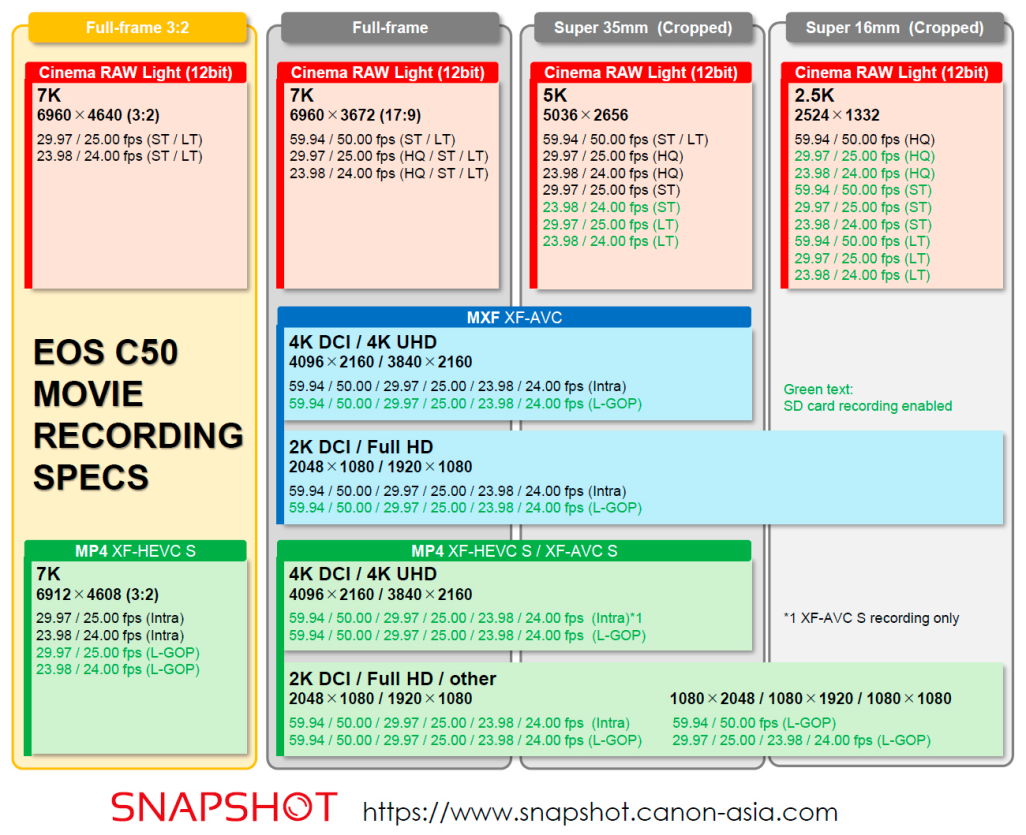
7K 60p internal RAW; 3:2 open gate recording
In an age where many clients expect deliveries in at least 4K, the EOS C50’s 7K full-frame sensor provides ample flexibility to cater to different technical and creative requirements.
Need the highest possible resolution for archiving, reframing and digital zooming, or VFX? You have 7K of high-resolution detail offering 15+ stops of dynamic range, with internal Cinema RAW Light recording up to 60p for projects where you need to squeeze out every bit of bit depth and dynamic range. This also means 32.4-megapixel still images with beautiful colours and rich details.
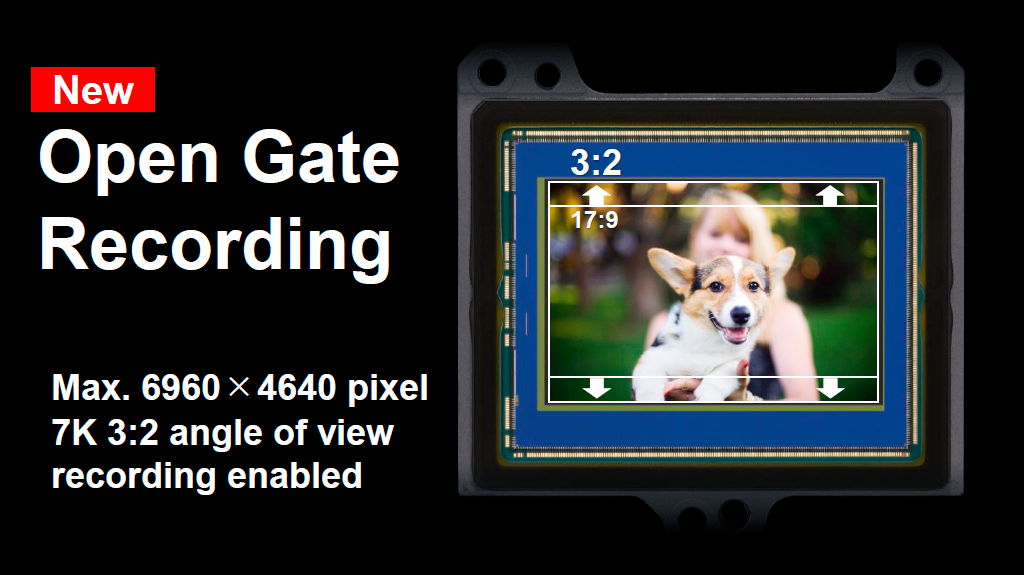
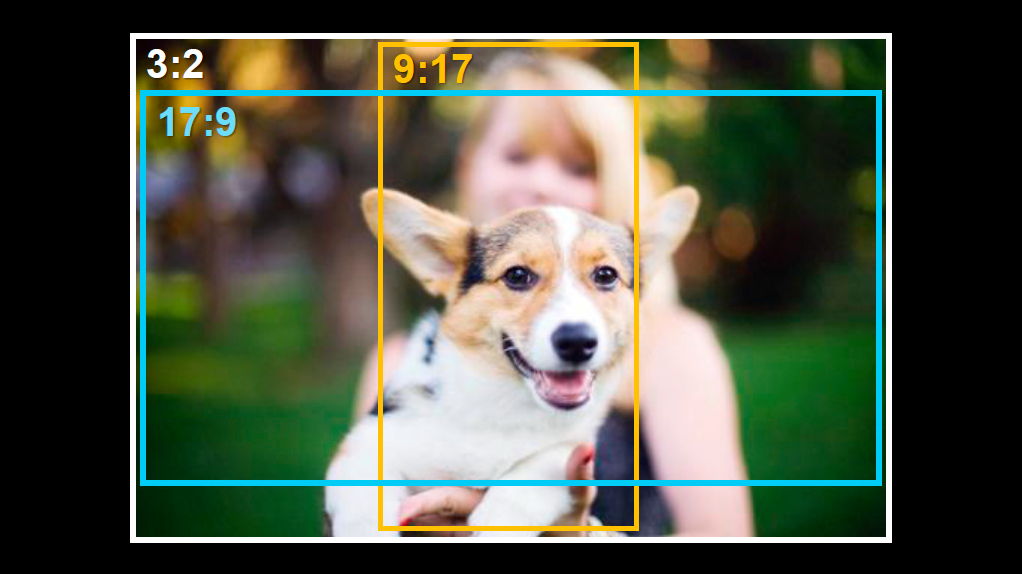
As Canon’s first Cinema EOS camera to support 3:2 open gate recording, the EOS C50 can record video using the entire sensor. This gives better flexibility for situations like shot reframing in post or when you need to crop 16:9 footage to work in 9:16. Recording with the maximum area also helps you to use the full cinematic potential of anamorphic lenses, as it leaves more resolution and detail even after desqueezing. Take it even further and give your image more space to "breathe" by using the DCI standard: wider 17:9, or taller 9:17.
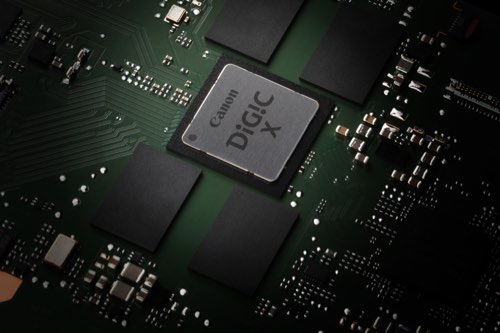
The benefits of the 7K sensor apply even if your project requires 4K recording. The EOS C50, supported by the powerful DIGIC DV7 image processing platform, oversamples from 7K without pixel binning to produce high-definition 4K 4:2:2 10-bit footage in XF-HEVC S or XF-AVC S. That means clean, artifact-free 4K footage with beautiful fine details, ready to use right out of the camera. It's what you need for workflows that strike the perfect balance between maximum quality and resource-friendly performance.
Also see:
Videography FAQ: What are 8K, 4K, and Full HD? How Do I Use Them?
Videography FAQ: What do 4:2:2 and 4:2:0 mean?
Videography FAQ: What is Bit Depth? How Does It Affect My Video?
Let’s not forget the benefits of a full-frame sensor: with a larger sensor size comes stronger low-light performance, a shallower depth of field, and ability to maximise the stunning perspective of ultra-wide-angle lenses, giving an edge in visual imaging right out of the box. Choose from two base ISO modes to ensure the least noise for the scene, or let the camera decide with Auto Selection.
Simultaneous vertical and horizontal recording
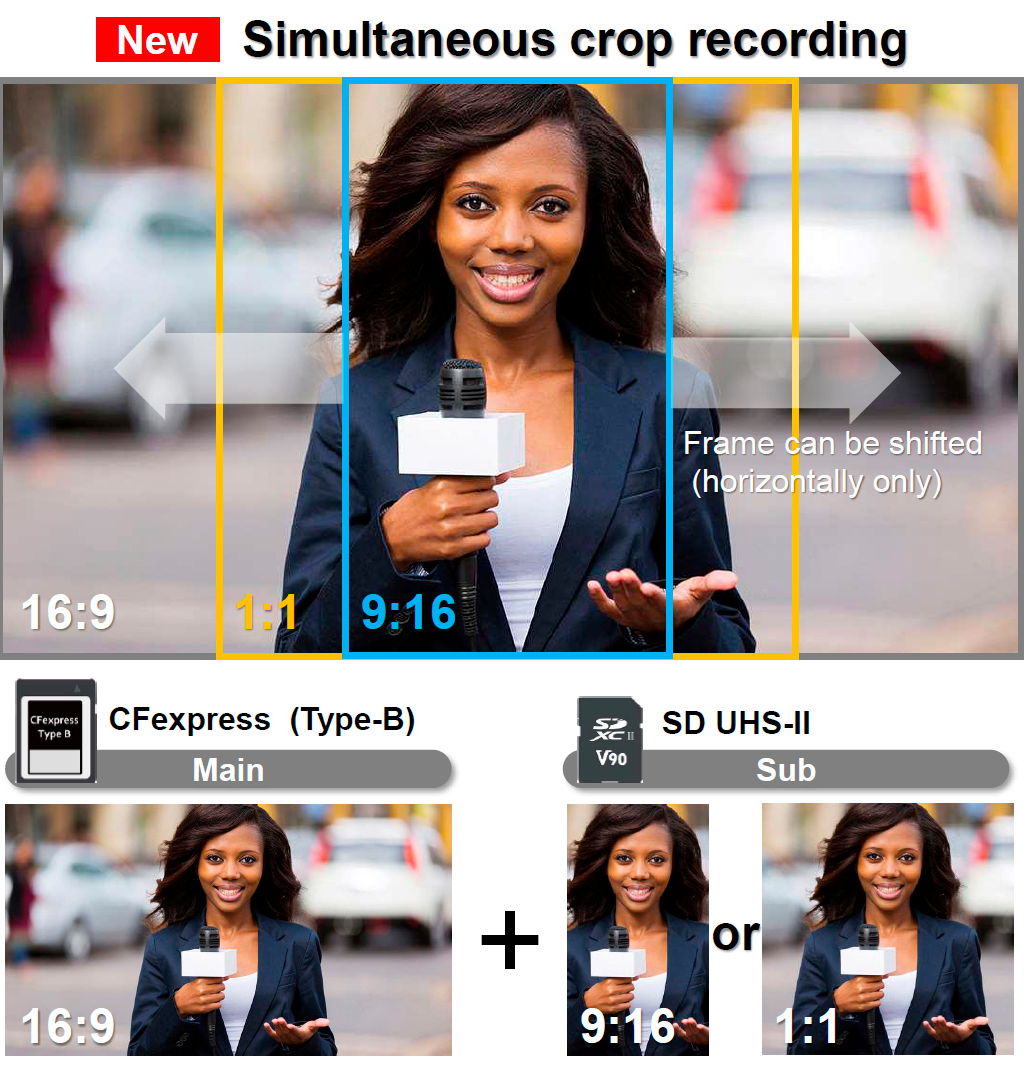
Equipped with two card slots, CFexpress Type B and UHS-II SD, the EOS C50 goes one step further than any other Cinema EOS camera has with simultaneous cropped recording: you can even record vertical or square-cropped sub file at the same time as full-angle horizontal 4K DCI or UHD main file. That means an upload 1080 x 1080 or 1080 x 1920 file that's ready for sharing immediately, no post-processing needed: perfect for projects where that highlight reel or sneak peek needs to go on social media right now.
Marker aspect ratios are displayed during shooting, and you can shift the cropped area to your desired position. With more flexibility for framing, you don't have to put your subject in the centre.
Enhanced heat dissipation
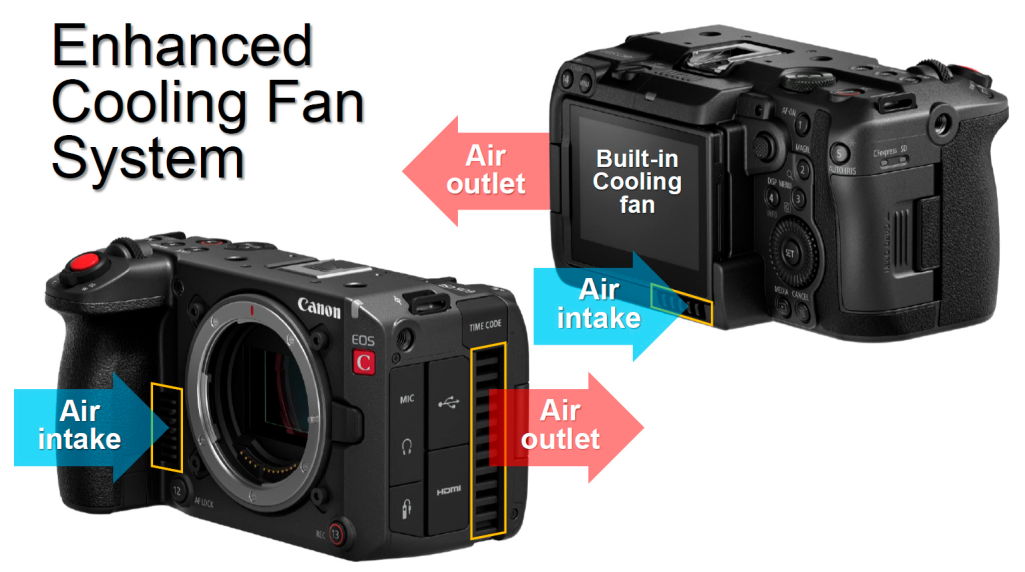
Sporting a cooling fan system redesigned from the EOS R5 C, the EOS C50 realises improved heat-dissipating performance. This ensures that the camera is durable and reliable enough to withstand the demands of professional use even with its compact size.
Maximum dynamic range: up to 15+ stops in full-frame mode, 16 stops in S35
The EOS C50 is equipped with Custom Pictures for Canon Log 2, Canon Log 3, Canon 709, BT.709 Wide DR, BT.709 Standard, PQ, and HLG.
Shooting in Canon Log 2 achieves a wide dynamic range of up to 15+ stops in full-frame mode, and up to 16 stops in S35 mode, leaving plenty of flexibility for colour grading. Meanwhile, the Canon 709 gamma achieves a film-like aesthetic that focuses on faithfully reproducing skin tones. It compresses shadow details and increases midtone contrast to maintain highlights with minimal blowout, resulting in a clear-looking image where transitions in skin tones are reproduced beautifully.
2. Lightweight, mobile, and easy to operate
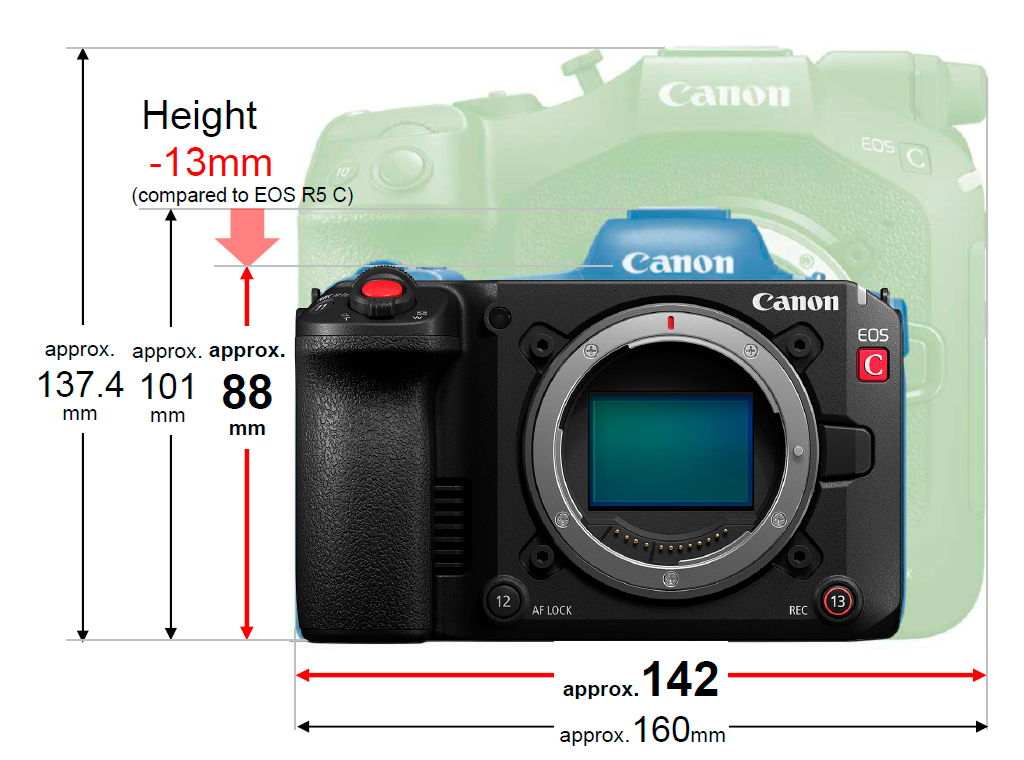
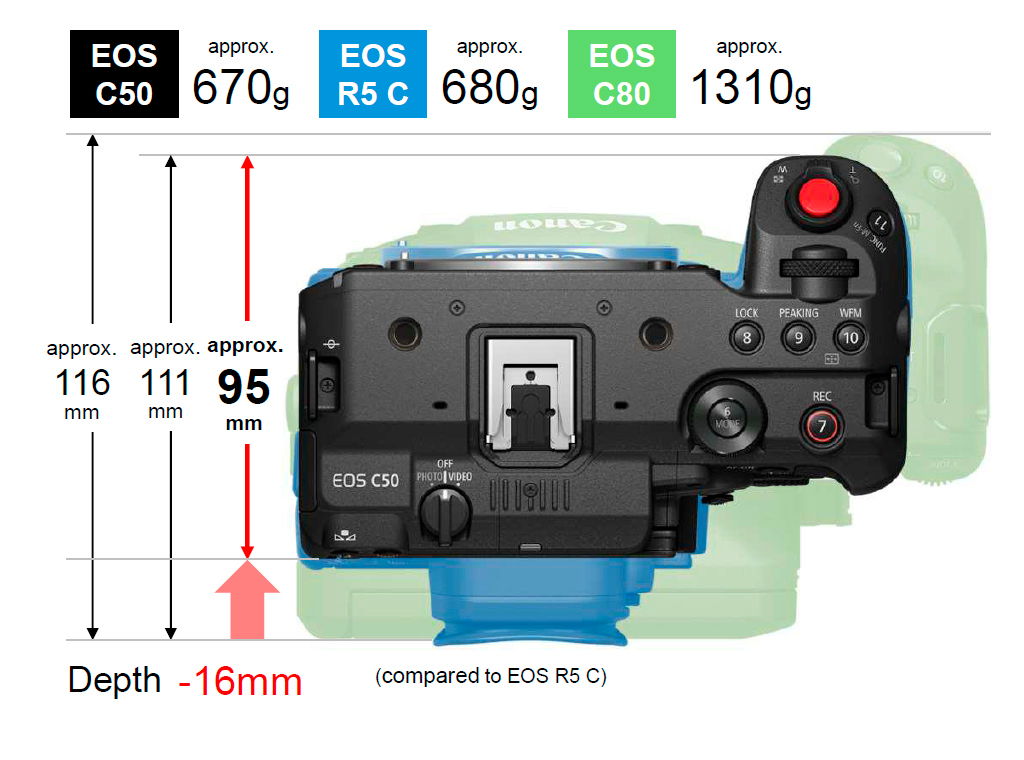
Canon’s smallest and lightest Cinema EOS camera
The EOS C50 is the smallest and lightest Cinema EOS camera in history. At just approximately 670g (body only), with dimensions of approximately 142mm x 88mm x 95mm (body only), it’s lighter and more compact than the EOS R5 C.
This breakthrough means a lighter rig and more agile setup: more wiggle room in tight spaces, more freedom to get creative with angles and camera movement. Combined with ergonomic design features, it reduces operator fatigue so you survive those marathon handheld shoots.
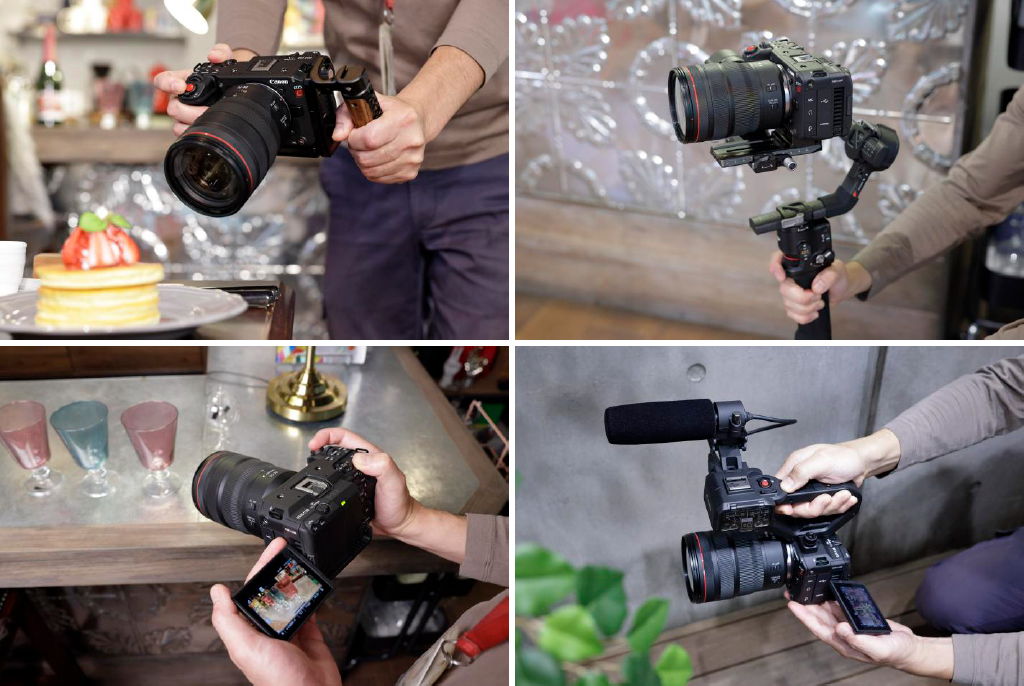
The tiny EOS C50 makes a nifty setup in any rig and shooting situation.
A stable, comfortable hold
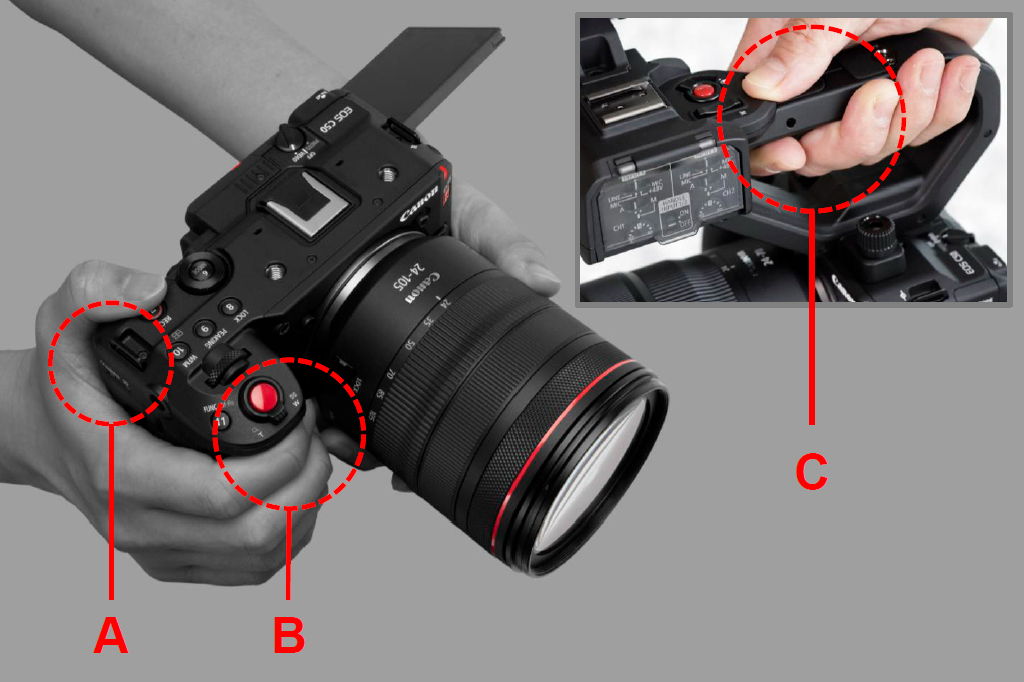
For handheld shoots, camera is designed to rest firmly at the base of your thumb (A), with the large grip allowing a firm hold even with a large lens attached (B). The detachable handle is also designed to be comfortable to hold and easy to control (C).
Four easily accessible REC buttons, convenient zoom control
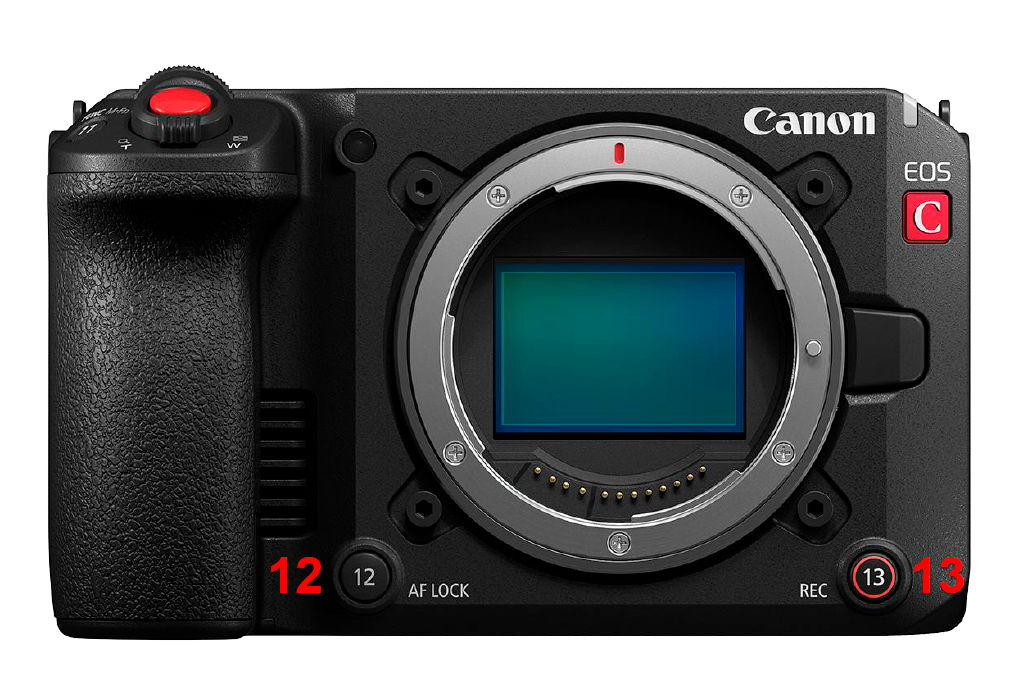
The EOS C50 comes with four REC buttons in different positions: three on its body, one on the handle, ensuring easy access regardless of your shooting style and camera angle. The zoom lever on the camera body and zoom rocker on the handle provide smooth, reliable zoom control with compatible lenses, even as you maintain a firm grip on the camera*. Tally lamps on the camera front, back, and handle front ensure you’ll always have a visible indication of recording status.
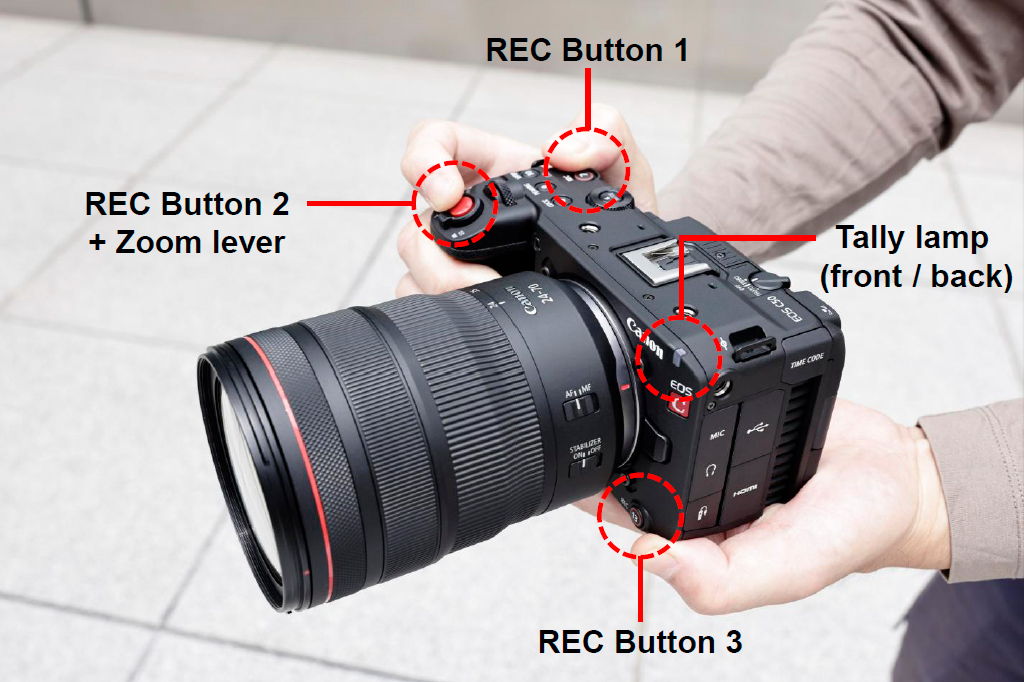
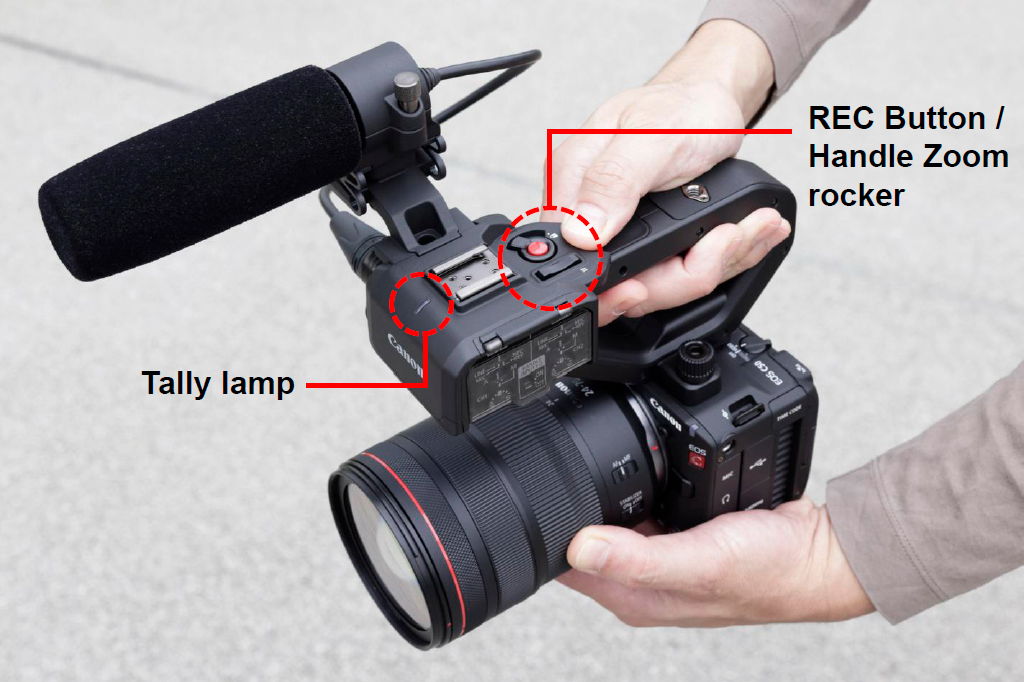
* Lenses supported by the EOS C50’s zoom lever/rocker as of September 2025:
- RF-S14-30mm F4-6.3 IS STM PZ
- Lenses with PZ-E1 or PZ-E2/PZ-E2B Power Zoom Adapter attached, such as RF24-105mm f/2.8L IS USM Z
- Cine-Servo lenses
- Compact Servo lenses
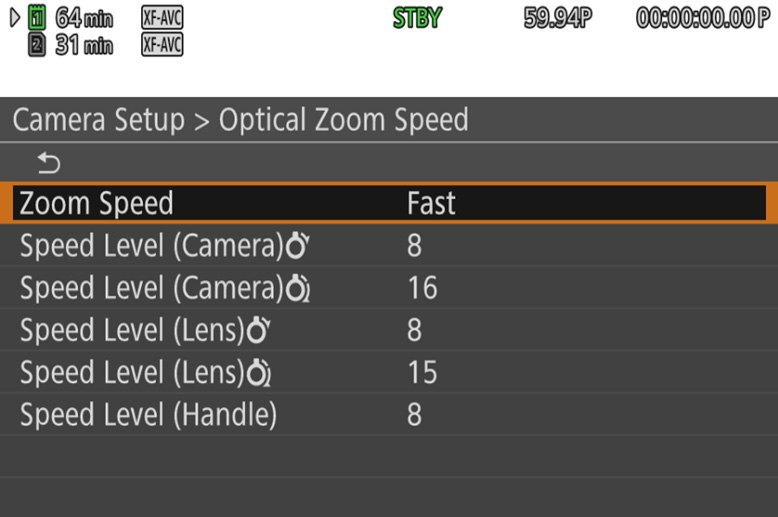
Highly customisable zoom speed control
The zoom speed can be set to ‘Fast’ or ‘Slow’. The various zoom control interfaces on the camera, lens, and handle can be individually preconfigured to different zoom speed levels.
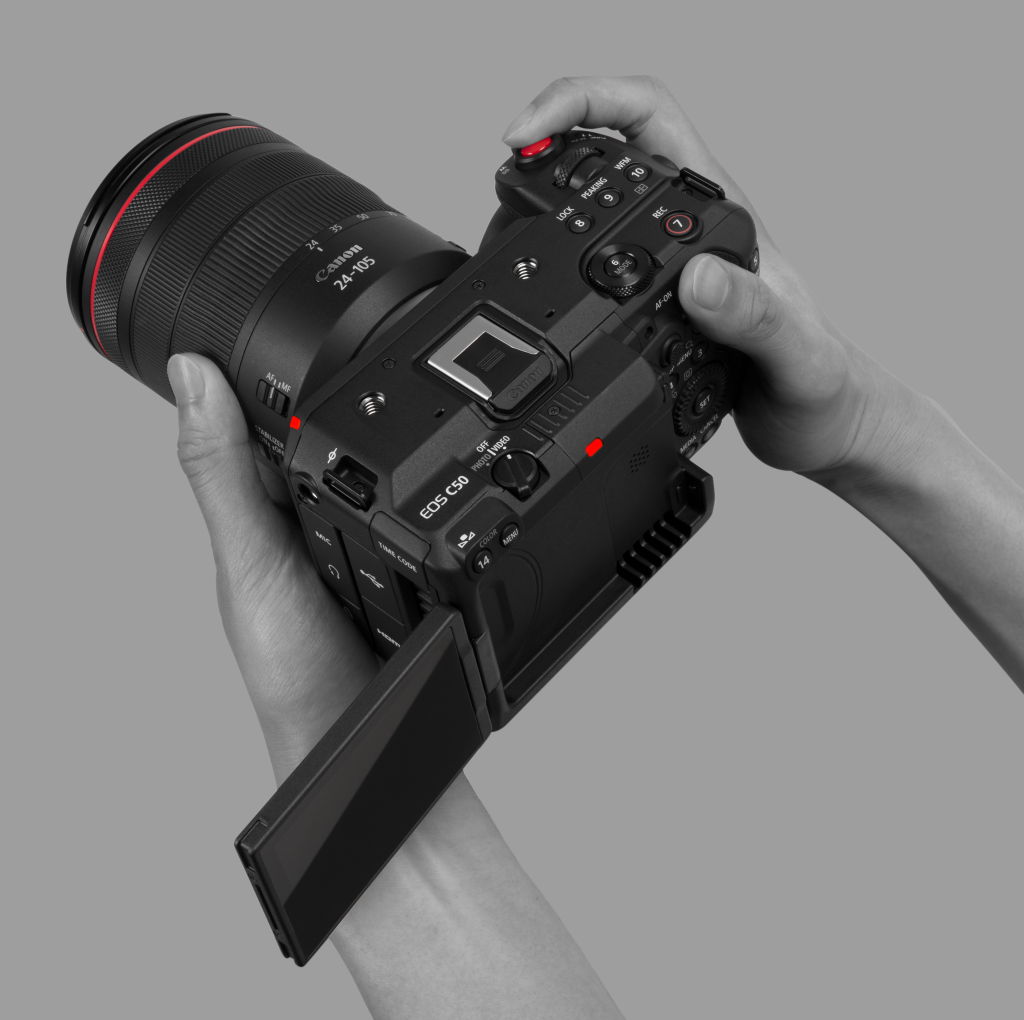
Thorough attention to operating comfort
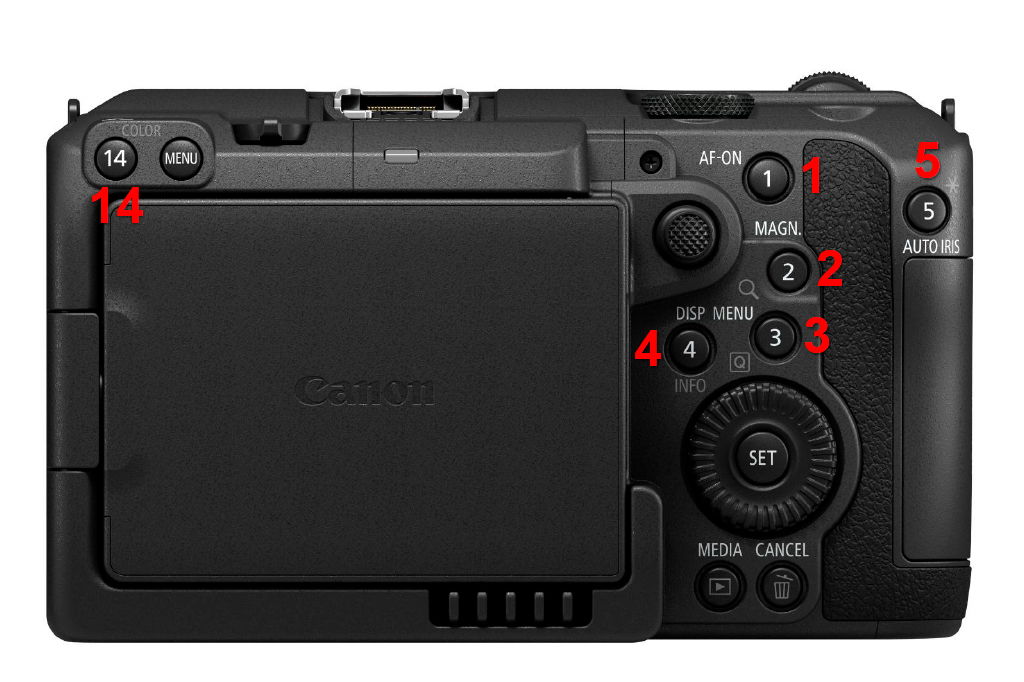
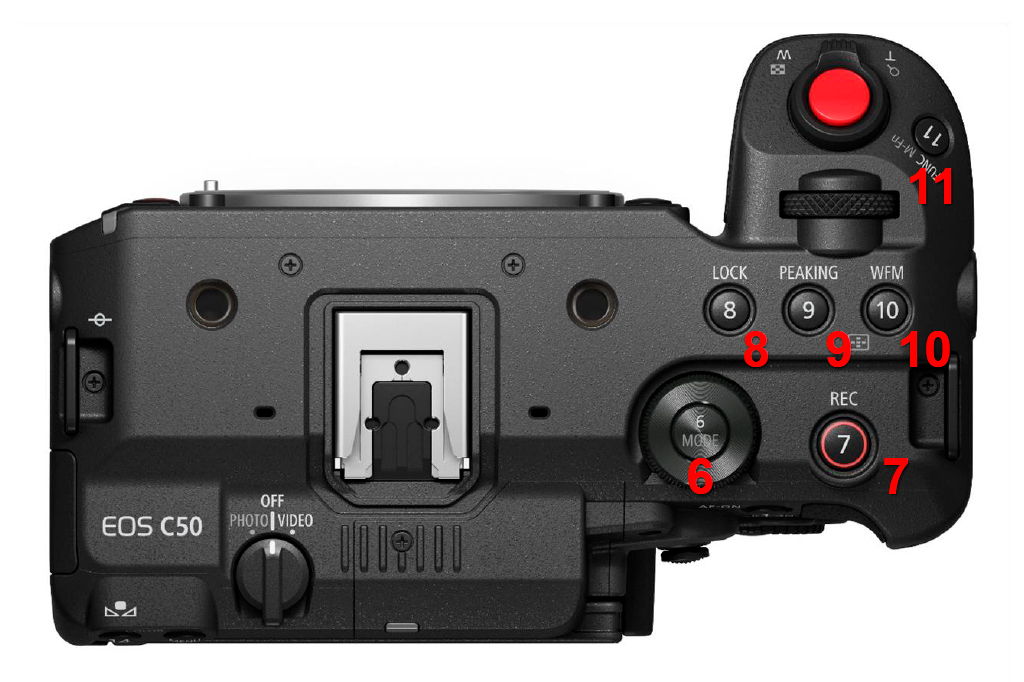
Attention to detail extends to the button and interface layouts. Your right hand won’t cover the control area, and the timecode terminal and other terminals are arranged to stay out of the way of the Vari-angle monitor, as well as your hands and face.
Adaptable to your style and workflow
For even more instinctive operation, customise the EOS C50’s 14 assignable buttons to your style and workflow. There are approximately 100 customisable functions, providing plenty of flexibility to transform the camera into your unique tool!
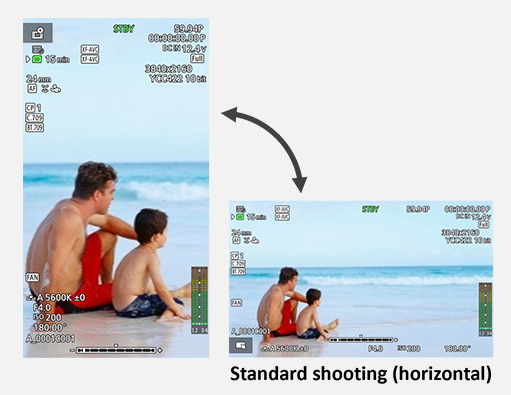
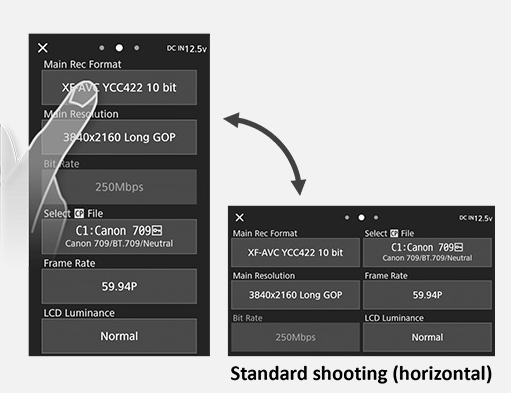
Vertical shooting interface
Display and settings menu screens can be switched to a vertical layout during vertical orientation shooting, allowing the same ease of operation regardless of shooting orientation.
Other notable monitoring features:
- Anamorphic lens desqueezing support
Like the EOS C400, the EOS C50 supports 2x, 1.8x, 1.5x, and 1.3x desqueezing during HDMI and LCD monitor output. See what you're really shooting: no more guessing games trying to frame and focus!
- LCD luminance boost
When enabled, this new feature boosts the LCD screen image brightness so it’s easier to see even under strong sunlight*. The brightness can be reduced for better visibility of details and highlights in dark shooting conditions.
*Brightness and colour shown on the LCD may differ from recorded images.
3. Reliable deep learning-based subject tracking
The EOS C50 features the powerful Dual Pixel CMOS AF II autofocus system, which uses a deep learning-based algorithm. This helps it detect and track subjects more accurately and reliably than ever, up to over 100% x 100% of the image area when a subject is detected1.
In an improvement over older Cinema EOS cameras like the EOS R5 C, the EOS C50 can detect and track a person’s torso even when their eyes, face, and head are hidden. It also adds bird detection capabilities and the option to prioritise either the left or right eye.
Abundant configuration options let you fine-tune AF behaviour and focus transition speed, ensuring smooth, professional focus work even when working solo.
Detectable subjects in video mode
| Subject | Coverage |
| People | Eye (right/left priority) Face Head Torso |
| Animals2 (Dogs, cats, and birds) |
Eye (right/left priority) Face Head Entire body |
1 When using a compatible lens that supports 90% x 100% (horizontal x vertical) of AF area while whole area AF is set, or while an AF setting other than whole area AF is detecting a subject. Depending on the scene and condition of the subject, the AF frame may not be able to move to the corner of the AF area.
2 Detection of animals other than dogs, cats, and birds is not supported.
4. Powerful still shooting features
In PHOTO mode, the EOS C50 is a powerful 32.4-megapixel full-frame photography camera with the familiar EOS R system menus and shooting features. With Dual Pixel CMOS AF II and a 40 fps maximum continuous shooting speed, it’s fast enough to tackle sports, wildlife, and other dynamic situations; its native ISO speed of up to 64,000 during still shooting ensures clean, high-quality images in low light conditions, even when using a fast shutter speed to freeze action.
It shares many of the latest shooting features first introduced on the EOS R5 Mark II and EOS R1, such as pre-continuous shooting and Register People Priority, which make it easier for working photographers shooting action and events.
- Pre-continuous shooting captures up to 20 consecutive frames in RAW/CRAW/JPEG/HEIF formats from the moment before the shutter button is fully pressed, making it easier to capture the ideal shot of unpredictable action.
- Register People Priority makes it possible to prioritise detecting a preregistered person even if there are multiple people in the AF area/point. The camera can detect up to 10 registered people*, and it’s possible to change the detection priority of these people. Registered data can be saved or loaded onto a memory card, allowing information to be shared between multiple cameras that support the feature.
*Up to 10 people can be registered in the camera, and up to 10 files can be saved on a card; therefore, up to 100 people can be registered.
Subject detection during stills shooting has also been enhanced compared to the EOS R5 C, adding horse, train, and aircraft to the subjects that can be detected and tracked.
Detectable subjects in stills mode
| Subject | Coverage |
| People | Eye (right/left priority) Face Head Upper half of body |
| Animals (Dogs, cats, birds, and horses) |
Eye (right/left priority) Face Head Entire body |
| Vehicles | Motorsports cars and motorcycles Trains Aircraft: jets and helicopters Spot detection available for helmets and vehicle cockpits. |
5. Excellent connectivity
Professional audio
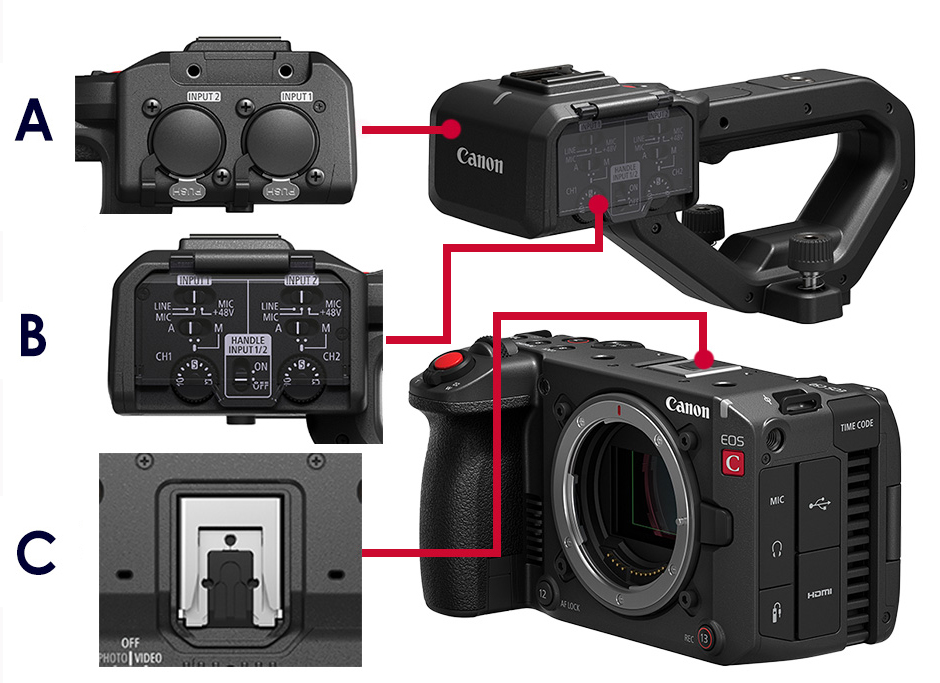
The EOS C50 features two standard 3-pin XLR input terminals in the handle unit (A) in addition to the MIC terminal and internal microphone in the main camera body, bringing the total audio input interfaces to four. The handle unit also supplies 48V power, and features audio control dials (B) that allow you to fine-tune recording levels. The camera supports LPCM 24-bit 4-channel recording, ensuring editing flexibility with high-fidelity, professional studio-quality sound.
Like other recent EOS R series and Cinema EOS cameras, it has a 21-pin multi-function shoe (C) on the main camera body, which enables digital audio input when an XLR adapter and digital microphone (sold separately) are attached.
Compatibility with a wide variety of lenses
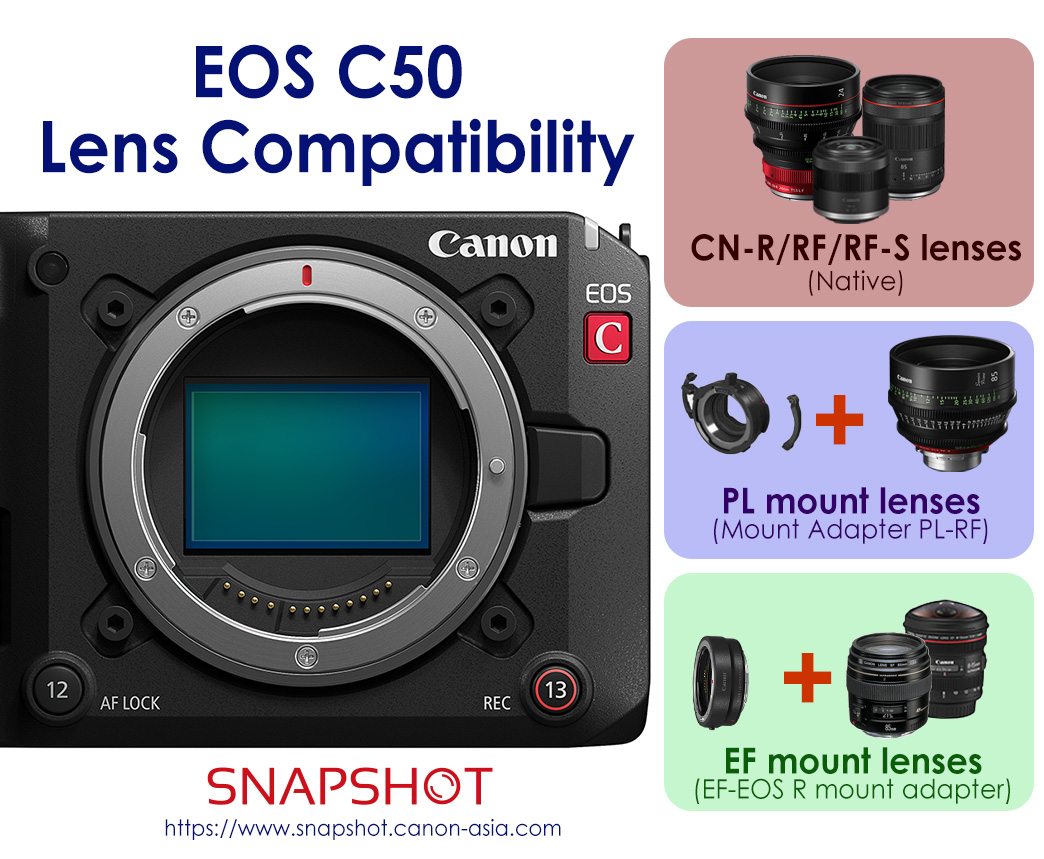
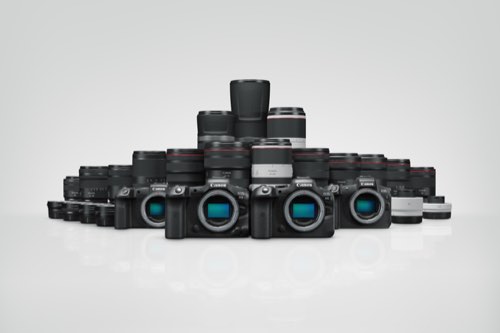
The EOS C50 is an RF mount camera, which means you can attach RF, RF-S, and CN-R lenses and the Extender RF teleconverters directly without requiring a mount adapter. You can also use PL mount lenses including Canon’s Sumire Primes via the Mount Adapter PL-RF, and EF mount lenses via one of the EF-EOS R mount adapters.
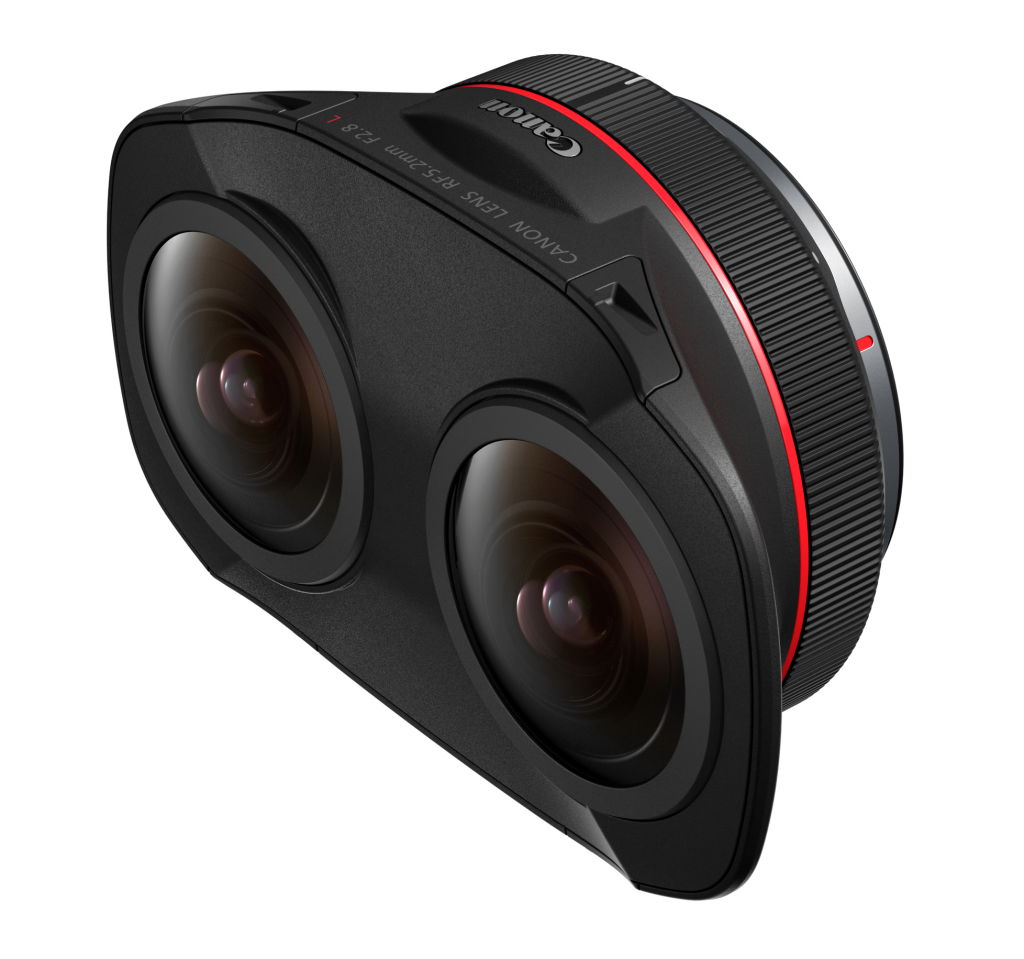
The EOS C50 natively supports the RF5.2mm f/2.8L Dual Fisheye, which dramatically streamlines the high-resolution 180-degree VR video production workflow.
Four screw locations around the mount allow the lock plate included with the Mount Adapter PL-RF and Mount Adapter EF-EOS R 0.71x to be fastened securely to the camera body for better peace of mind when shooting with larger, heavier lenses.
Know this: Virtual production support
Made possible by the RF mount’s high-speed communication, the EOS C50 can output real-time lens metadata in real time, streamlining the workflow on virtual production sets. Plug-ins are available for Unreal Engine and Adobe After Effects.
Applications and workflow
Connectable to a network through either its built-in Wi-Fi or a standard Ethernet adapter*, and supporting various protocols, the EOS C50 easily integrates into various workflows. This includes:
- Remote control/multi-camera workflows (XC Protocol support)
- IP streaming with simultaneous card recording (SRT protocol support)
- Video calls and livestreaming via a USB-C cable (UVC/UAC) up to FHD 60p with LPCM 16-bit 2-channel audio.
- News industry workflows via Canon’s Content Transfer Professional
- Frame.io integration for cloud-based editing workflows.
* Requires power supply via a combination of a DC coupler DR-E6P and a USB power adapter PD-E2
Other key features
- Image stabilisation
The EOS C50 features five-axis Movie Digital IS to digitally stabilise footage. The effect is enhanced when using a lens with Optical IS through the coordination of both IS systems (Coordinated Control IS).
- Batteries: The EOS C50 uses the same LP-E6P battery as the EOS R5 Mark II. This allows over 60 minutes of continuous 7K 60p RAW video shooting.
Watch: The Making of “Driven” with the EOS C50